Biogas Reactor (Digester) — a key component in converting organic waste into valuable renewable energy through anaerobic digestion. In this process, microorganisms break down biological material without access to oxygen, producing methane and other gases suitable for generating heat, electricity, or fuel.
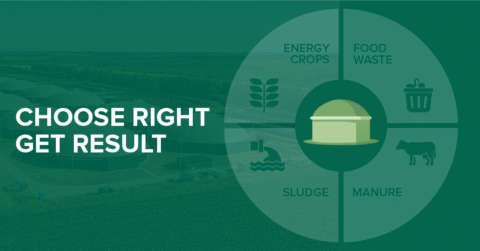
However, not all organic materials are equally effective for digestion. Let’s explore the main types of feedstock most commonly used in biogas plants.
1. Manure
Animal manure is one of the most common feedstocks for biogas systems. Although it has relatively low energy potential (as most of the energy has already been consumed by the animals), its use ensures stable operation of the digester and supports environmentally friendly waste management.
💡 Advantage: reduces greenhouse gas emissions and soil pollution caused by manure spreading.
2. Food Waste and Green Residues
Food scraps and green waste are high in moisture and energy content, making them ideal for wet anaerobic digestion. The raw material is shredded and mixed with water to form a slurry (around 5% solid content), which is then fed into the digester.
💡 Tip: Regular supply of fresh feedstock contributes to a higher biogas yield.
3. Sewage Sludge
Sludge from wastewater treatment is another source for biogas production, allowing for the efficient utilization of by-products from water purification. Like food waste, sludge is suitable for wet digestion.
💡 Additional benefit: prepares the sludge for further processing or safe disposal.
4. Energy Crops
Crops grown specifically for biogas production — such as corn, sugar beet, or rye — are cultivated with the goal of maximizing biogas output. These crops are rich in sugars and starch, providing high energy potential.
💡 Advantage: stable, predictable biogas yields and easier production planning.
What influences the efficiency of biogas production?
To maximize energy output, the following factors must be considered:
-
Energy content of the feedstock — the more easily digestible organic matter it contains, the more methane is produced.
-
Digestion type — wet or dry; chosen based on the type of feedstock.
-
Mixture composition — ideally, different types of feedstock are combined to balance carbon, nitrogen, and micronutrients.
-
Pre-treatment — shredding, mixing, or fermentation can significantly improve digestibility.
Flexsol — Reliable Equipment for the Biogas Sector
Flexsol has over 10 years of experience in manufacturing equipment for storing liquids and gases. We offer:
- Flexible tanks for storing liquids and gases
- Membrane covers for biogas plants
Our products represent proven quality and support for innovation in the bioenergy sector.